



Epigenetic Reader Domain
Epigenetic regulators of gene expression and chromatin state include so-called writers, erasers, and readers of chromatin modifications.Well-characterized examples of reader domains include bromodomains typically binding acetyllysine and chromatin organization modifier (chromo), malignant brain tumor (MBT), plant homeodomain (PHD), and Tudor domains generally associating with methyllysine. Research on epigenetic readers has been tremendously influenced by the discovery of selective inhibitors targeting the bromodomain and extraterminal motif (BET) family of acetyl-lysine readers. The human genome encodes 46 proteins containing 61 bromodomains clustered into eight families. Distinct experimental approaches are used to identify the first BET inhibitors, GSK 525762A and (+)-JQ-1.
The Polycomb group (PcG) protein, enhancer of zeste homologue 2 (EZH2), has an essential role in promoting histone H3 lysine 27 trimethylation (H3K27me3) and epigenetic gene silencing. This function of EZH2 is important for cell proliferation and inhibition of cell differentiation, and is implicated in cancer progression. Cyclin-dependent kinases regulate epigenetic gene silencing through phosphorylation of EZH2. In many types of cancers including lymphomas and leukemia, EZH2 is postulated to exert its oncogenic effects via aberrant histone and DNA methylation, causing silencing of tumor suppressor genes.
p300/CBP is not only a transcriptional adaptor but also a histone acetyltransferase.
Epigenetic Reader Domain Isoform Specific Products
-
Epigenetic Reader Domain
(442)
View all products
-
Brd
(3)
View all products
-
BRPF1
(9)
View all products
-
BRPF2
(5)
View all products
-
BRPF3
(2)
View all products
-
BRD2
(61)
View all products
-
BRD3
(57)
View all products
-
BRD4
(285)
View all products
-
BRDT
(26)
View all products
-
CECR2
(4)
View all products
-
BD1
(9)
View all products
-
BD2
(9)
View all products
-
BRD7
(9)
View all products
-
BRD9
(54)
View all products
-
BET
(21)
View all products
-
BAZ
(1)
View all products
All Product Categories
-
Epigenetic Reader Domain Inhibitors
(590)
View all products
-
Epigenetic Reader Domain Agonists
(3)
View all products
-
Epigenetic Reader Domain Antagonists
(2)
View all products
-
Epigenetic Reader Domain Activators
(10)
View all products
-
Epigenetic Reader Domain Modulators
(3)
View all products
-
Epigenetic Reader Domain Chemicals
(2)
View all products
-
Epigenetic Reader Domain Inducer
(1)
View all products
-
Epigenetic Reader Domain Degraders
(157)
View all products
-
Epigenetic Reader Domain Controls
(12)
View all products
-
Epigenetic Reader Domain Substrate
(1)
View all products
-
Epigenetic Reader Domain Ligands
(26)
View all products
-
Epigenetic Reader Domain Related Products (884)
Related Products (884)

-
Antibodies (109)
-
Epigenetic Reader Domain Isoform Comparison
-
GS-626510
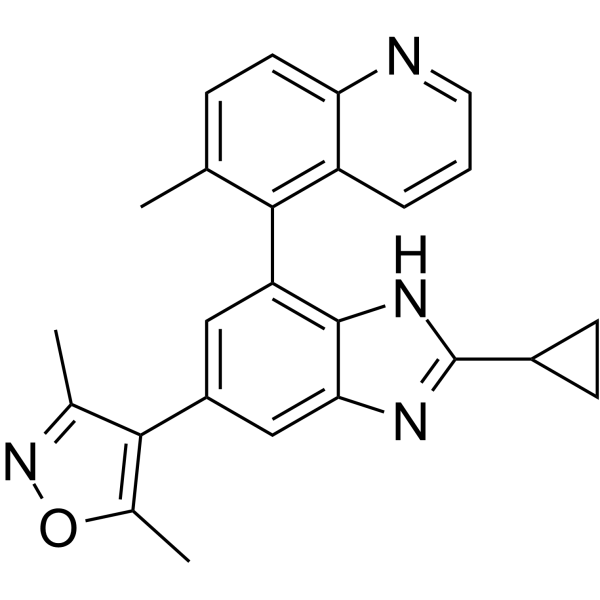 0 ImagesGS-626510 is a potent, and orally active BET family bromodomains inhibitor, with Kd values of 0.59-3.2 nM for BRD2/3/4, with IC50 values of 83 nM and 78 nM foe BD1 and BD2, respectively.
-
Menin-MLL inhibitor 20
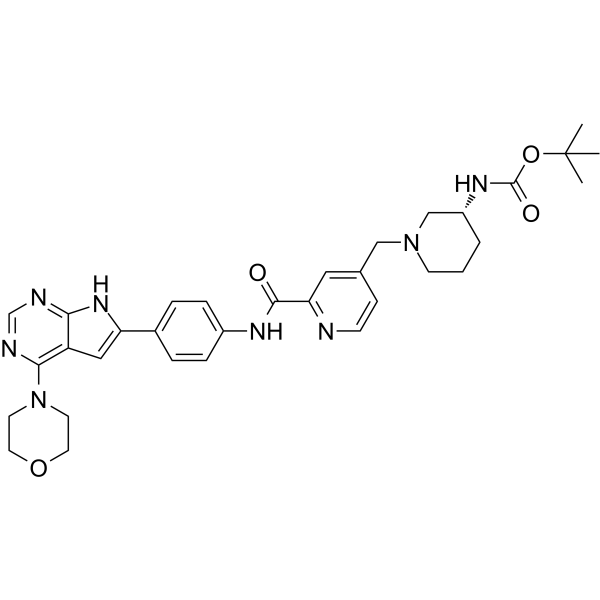 0 ImagesMenin-MLL inhibitor 20 is an irreversible menin-MLL interaction inhibitor with antitumor activities (WO2020142557A1, Intermediate 6).
-
BAZ1A-IN-1
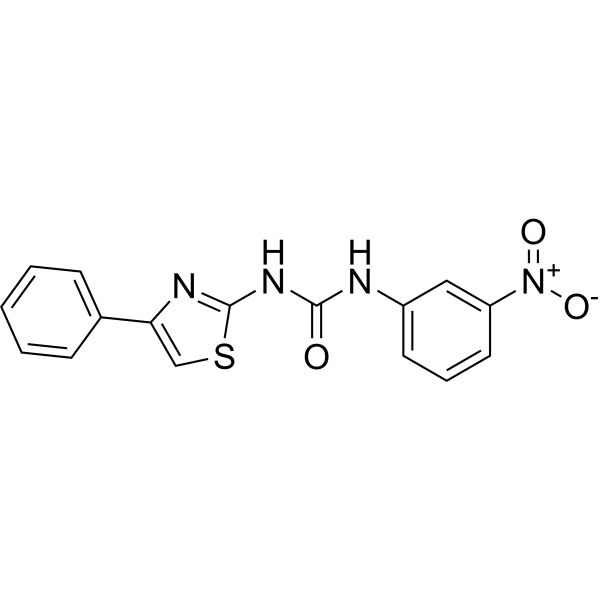 0 ImagesBAZ1A-IN-1 is a potent inhibitor of BAZ1A (bromodomain-containing protein). BAZ1A-IN-1 shows a KD value of 0.52 μM against BAZ1A bromodomain. BAZ1A-IN-1 shows good anti-viability activity against cancer cell lines expressing a high level of BAZ1A, but weak or no activity against cancer cells with a low expression level of BAZ1A.
-
ZEN-2759
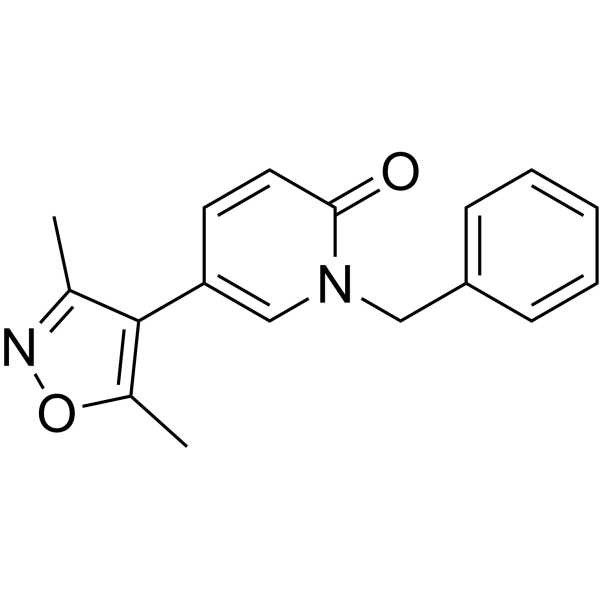 0 ImagesZEN-2759 is a potent BET (Bromodomain and Extra-Terminal Domain) inhibitor, with IC50 values of 0.23, 0.08 and 0.28 μM for BRD4(BD1), BRD4(BD2), and BRD4(BD1BD2), respectively.
-
Emilumenib
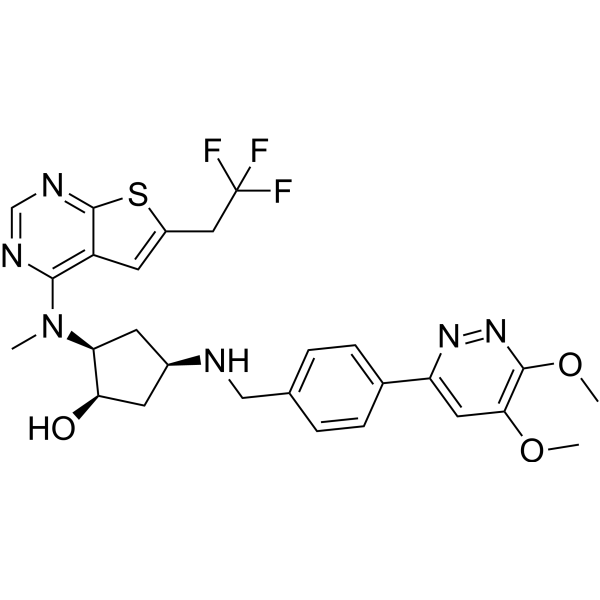 0 ImagesCat. No.: HY-148676CAS No.: 2440018-29-9Synonyms: DS-1594a; Menin-MLL inhibitor 26Emilumenib (Menin-MLL inhibitor 26) is an orally active Menin-MLL inhibitor. Emilumenib also is an active reference. Emilumenib can inhibits cell growth. Emilumenib can be used for the research of leukemia.
-
GSK9311
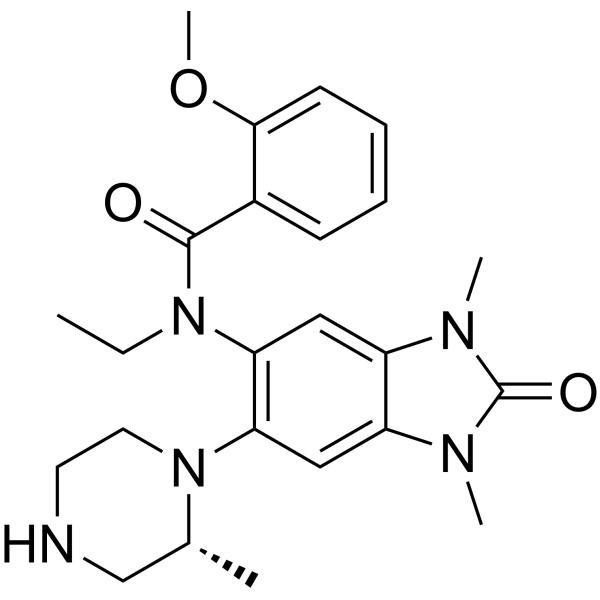 0 ImagesGSK9311, a less active analogue of GSK6853, can be used as a negative control. GSK9311 inhibits BRPF bromodomain with pIC50 values of 6.0 and 4.3 for BRPF1 and BRPF2, respectively.
-
Balomenib
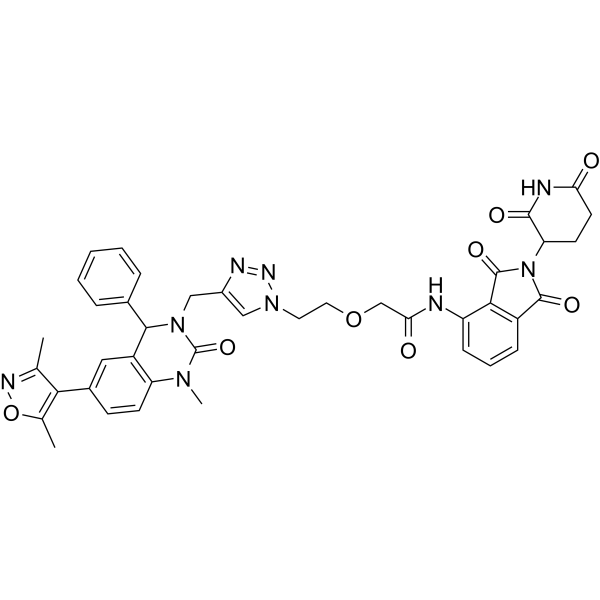
 0 ImagesSynonyms: ZE63-0302Balomenib (ZE63-0302) is an orally bioavailable menin-KMT2A interaction inhibitor. Balomenib disrupts menin-KMT2A binding, reverses aberrant HOX gene expression. Balomenib inhibits Meis1 mRNA expression in KMT2A-rearranged acute myeloid leukemia cells. Balomenib can be used for the research of leukemia.
-
XP-524
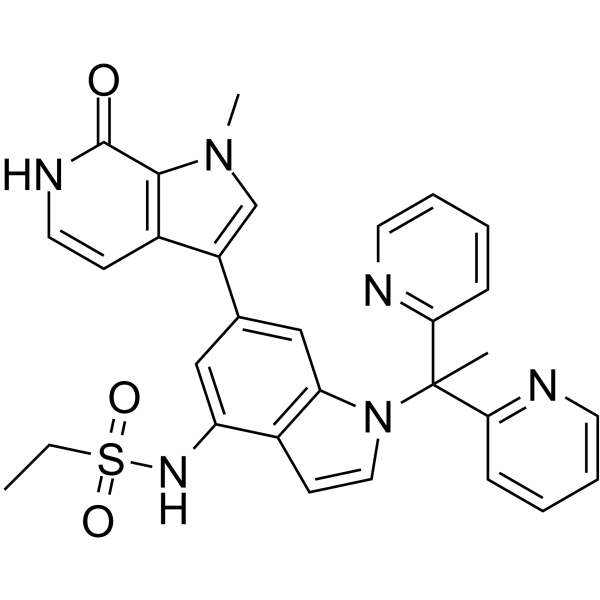 0 ImagesXP-524 is a potent BET and EP300 inhibitor. XP-524 shows great tumoricidal activity in vivo. XP-524 prevents KRAS-induced, neoplastic transformation in vivo and extends survival in two transgenic mouse models of aggressive PDAC. XP-524 also enhances the presentation of self-peptide and tumor recruitment of cytotoxic T lymphocytes. XP-524 has the potential for the research of pancreatic ductal adenocarcinoma (PDAC).
-
FL-411
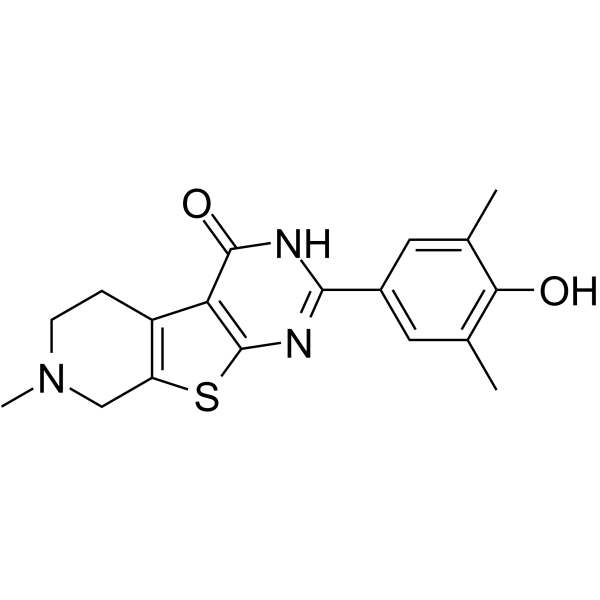 0 ImagesSynonyms: BRD4-IN-1FL-411 is a potent and selective BRD4 inhibitor with an IC50 of 0.43±0.09 μM for BRD4(1).
-
MS402
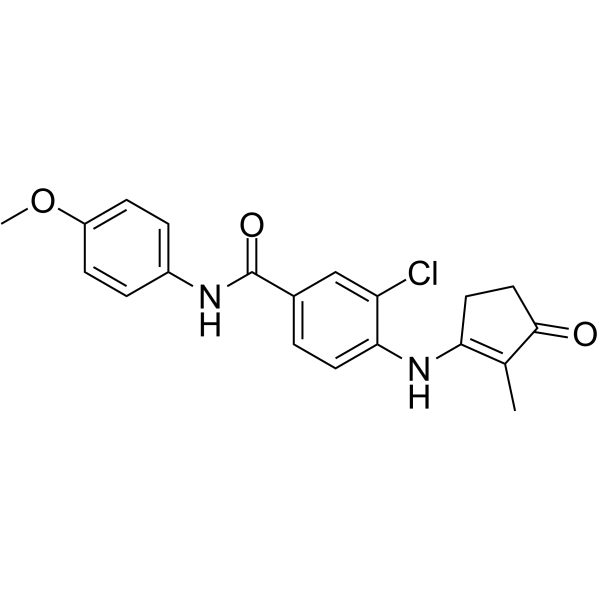 0 ImagesMS402 is a BD1-selective BET BrD inhibitor with Kis of 77 nM, 718 nM, 110 nM, 200 nM, 83 nM, and 240 nM for BRD4(BD1), BRD4(BD2), BRD3(BD1), BRD3(BD2), BRD2(BD1) and BRD2(BD2), respectively. MS402 blocks Th17 cell differentiation and ameliorates colitis in mice.
-
CF53
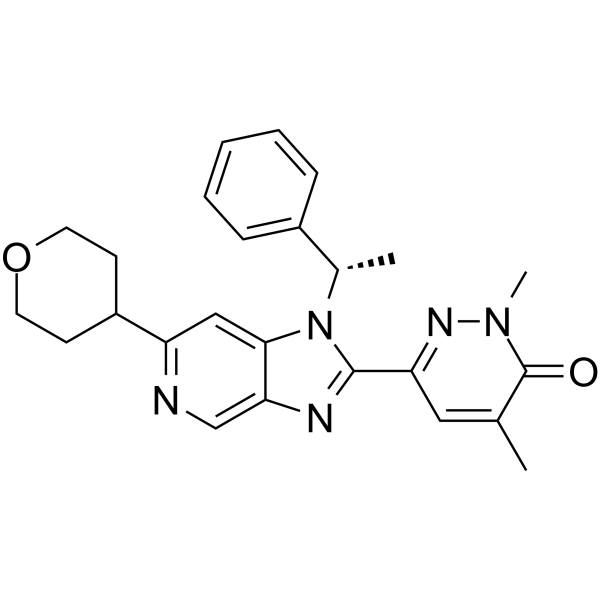
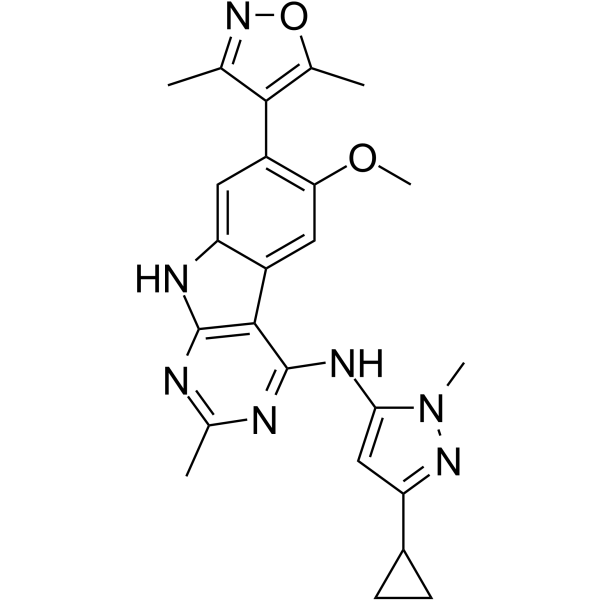 0 ImagesCF53 is a highly potent, selective and orally active inhibitor of BET protein, with a Ki of <1 nM, Kd of 2.2 nM and an IC50 of 2 nM for BRD4 BD1. CF53 binds to both the BD1 and BD2 domains of BRD2, BRD3, BRD4, and BRDT BET proteins with high affinities, very selective over non-BET bromodomain-containing proteins. CF53 shows potent anti-tumor activity both in vitro and in vivo.
-
BRD4/NAMPT-IN-1
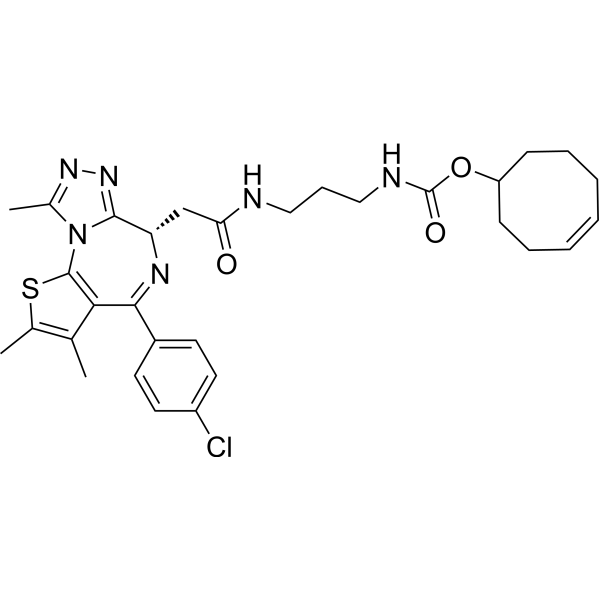
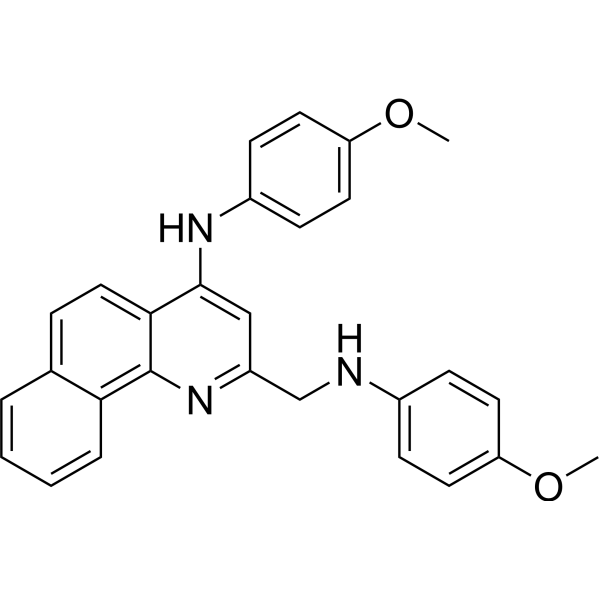
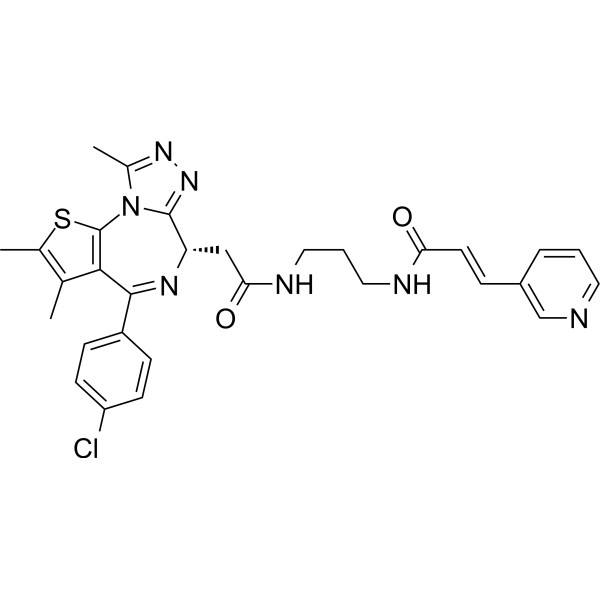 0 ImagesBRD4/NAMPT-IN-1 (Compound A2) shows strong inhibitory effects on NAMPT and BRD4 (IC50=35 nM (NAMPT) and 58 nM (BRD4)). BRD4/NAMPT-IN-1 inhibits the growth and migration of hepatocellular carcinoma cells and promotes apoptosis. BRD4/NAMPT-IN-1 also shows potent anticancer effects in HCCLM3 xenograft mouse model, with no obvious toxic effects.
-
Artepillin C
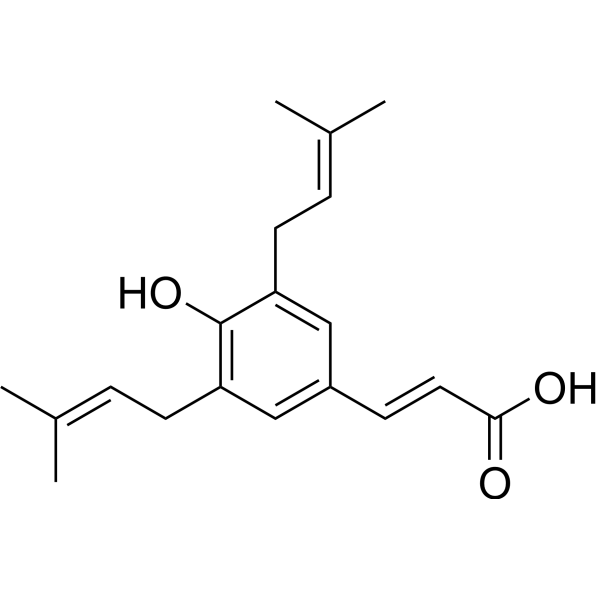 0 ImagesArtepillin C is an orally active CREB/CRTC2 inhibitor and TRPA1 covalent agonist (EC50=1.8 μM). Artepillin C inhibits CREB/CRTC2-mediated gene transcription and downregulates BMAL1 expression to regulate glucose and lipid metabolism. Artepillin C can also activate TRPA1 channels to induce spicy taste signals. Artepillin C can inhibit tumor cell proliferation, induce necroptosis, improve insulin resistance and inhibit liver lipid synthesis. Artepillin C can be used in the study of metabolic syndrome, tumor prevention and treatment, and inflammation.
-
GSK737
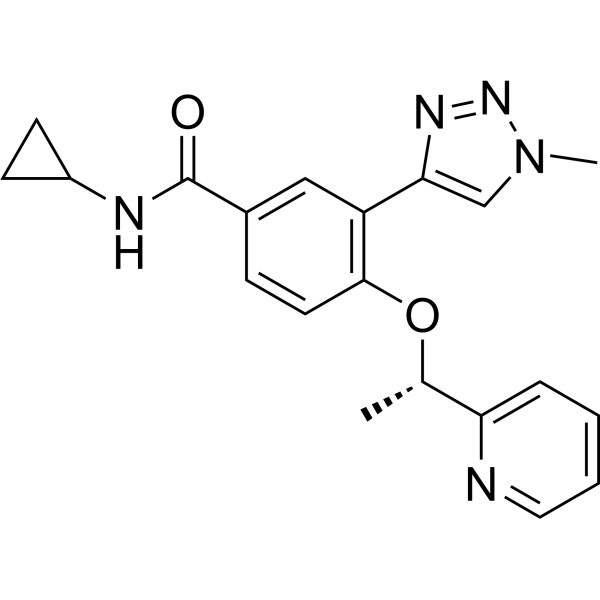 0 ImagesGSK737 is a BRD4 BD1 and BD2 inhibitor, with pIC50 values of 5.3 and 7.3 respectively. GSK737 has low clearance and good solubility and permeability in rat.
-
PBRM1-BD2-IN-8
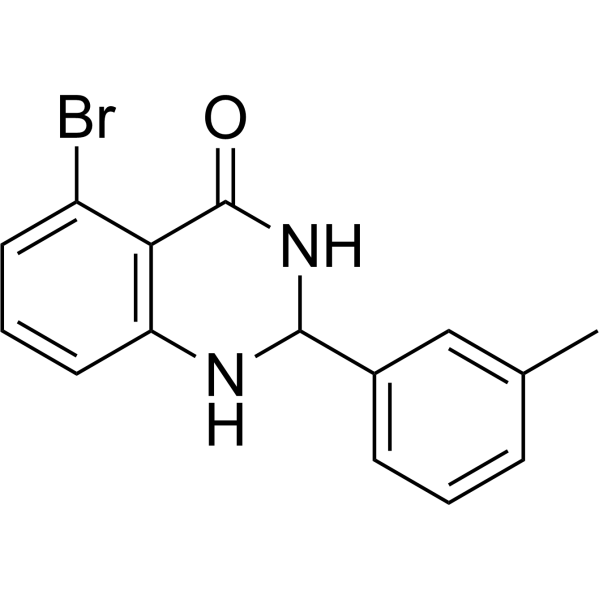 0 ImagesPBRM1-BD2-IN-8 (compound 34) is a potent PBRM1 Bromodomain inhibitor (PBRM1-BD2 Kd=4.4 μM, PBRM1-BD2 IC50=0.16 μM; PBRM1-BD5 Kd=25 μM). PBRM1-BD2-IN-8 shows anti-cancer activity.




